.jpg)
Over the past decade, headlines have been dominated by stories of sexual violence, femicides, child sexual abuse and organised exploitation networks. This does not necessarily mean that these crimes have become more common. Rather, they are finally being brought into the public eye. Most recently, the extensive sexual abuse associated with Jeffrey Epstein and his networks shocked the world with its scale. These crimes did not occur in isolation but within influential social networks where wealth, power and institutional silence allowed violence to continue for years.
The news cycle can sometimes feel like an endless succession of disturbing cases and alarming statistics. Yet alongside these headlines, another story has been unfolding: There is also a growing body of research, evidence and practical tools demonstrating what can actually be done to prevent sexual violence. While crises expose the failures of societies, they can also become catalysts for change. Ireland offers one of the most compelling examples.
On Ireland's west coast lies the city of Galway, best known as the home of the Claddagh ring, the iconic symbol of two hands holding a crowned heart. Representing love, friendship and loyalty, the ring reflects values that are also at the heart of the city's research: safe interaction, trust and relationships grounded in respect. The University of Galway has become one of Europe's leading centres for research and development in sexual violence prevention and consent education.
Ireland's commitment to prevention has emerged from a painful history. Decades of abuse, particularly within the Catholic Church, prompted sustained public activism, especially through demonstrations organised by women's rights movements. This transformation did not happen overnight, and the challenges have by no means disappeared. Nevertheless, Ireland has become an international leader in developing practical approaches to building safer communities and educating young people. The University of Galway stands at the forefront of this work, developing research and educational initiatives for a world in which gender inequality, harassment and violence unfortunately remain deeply embedded in everyday life.
This commitment is reflected not only in educational initiatives but also in public investment. In 2025, Ireland's Department of Justice announced an additional €3.2 million to expand domestic and sexual violence services as part of its national strategy to prevent violence. By comparison, Finland's Ministry of Justice allocated €400,000 in 2026 to services aimed at preventing violence and supporting offenders in breaking cycles of abuse, despite Finland remaining one of the least safe countries in the European Union for women.
I had the opportunity to visit the University of Galway in autumn 2025 while participating in a professional development programme on preventing harassment. The university's approach to consent education was deeply inspiring. Supported through the Music Researchers in Society research project funded by the Kone Foundation, the visit offered valuable insights into how consent education could be adapted to the Finnish arts and music sectors. It also strengthened my conviction that Finland has much to learn from the ways consent education can be integrated into higher education to prevent sexual harassment and violence and to foster safer learning and working environments.
OMFG and "Stopp! Min kropp!"
In 2023, Finland rewrote its Sexual Offences Act. The reform redefined sexual offences on the basis of the absence of voluntary consent rather than the presence of resistance, bringing Finland into line with many other European countries and reflecting a broader cultural shift towards strengthening “every person's sexual autonomy and bodily integrity.” Unsurprisingly, the reform has also changed the way we think about sex education.
Not long ago, sex education was often remembered for anatomy lessons and the infamous banana demonstration. Today, there is growing recognition that young people also need to learn about consent, boundaries and healthy relationships. These skills have become increasingly important as children and adolescents encounter online pornography at ever younger ages, often developing distorted understandings of consent, relationships and power through these representations.
Consent education seeks to develop young people's ability to articulate sexual consent, recognise both their own boundaries and those of others and understand how peer pressure, social environments and cultural norms shape people's actions, decisions and experiences of safety. At the University of Galway, this message is captured in a memorable acronym: OMFG: Ongoing, Mutual and Freely Given. The principle is simple: consent is not a one-off question. It must be continuous, mutual and genuinely voluntary.
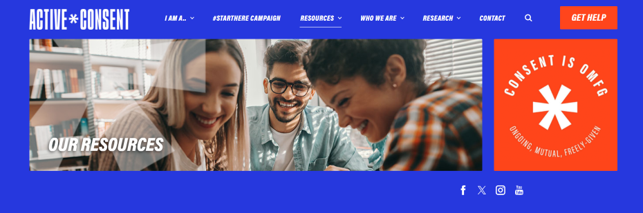
Like many topics related to gender and sexuality, consent education has become politically contested. In an increasingly polarised public debate, discussions about consent are often drawn into wider ideological conflicts. Yet the central question is remarkably straightforward: how do we learn to recognise power, respect other people's boundaries and build communities where interaction is based on trust rather than fear?
Of course, consent education is not a cure-all. No amount of education can guarantee that someone will never experience harassment or violence, nor can it solve the complex social problem of sexual violence on its own. Responsibility always lies with the perpetrator and with those who abuse positions of power.
What consent education can do is strengthen prevention. It can help young people recognise harmful situations earlier, strengthen their ability to establish and communicate personal boundaries, respect the boundaries of others and create communities where abusive behaviour is more readily challenged. The goal is not simply to prevent individual crimes but to foster a broader culture of safety, respect and mutual responsibility.
Seen from this perspective, consent education is really an extension of social-emotional learning. It develops many of the same competencies: empathy, emotional awareness, communication, collaboration, self-regulation, ethical decision-making and the ability to build healthy relationships.
The change is already visible in early childhood education. Today, even Finnish toddlers may proudly repeat the familiar body safety slogan "Stopp! Min kropp!" in Swedish or "Mun keho, mun rajat" in Finnish ("Stop! My body!" and "My body, my boundaries"). For many Millennials, this language still feels surprisingly new, while for older generations such conversations were even rarer. Yet the idea that every child has the right to bodily autonomy, to say no and to have their personal boundaries respected has become a cornerstone of contemporary body safety education.
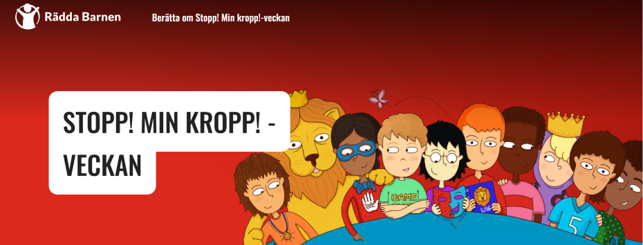
The paradox is that these skills receive the greatest attention when children are youngest. As students progress through the education system, discussions about boundaries, interpersonal skills and ethical interaction often become less systematic. Ironically, it is precisely in higher education, where power relationships become more complex and the risk of misconduct increases, that these conversations are often needed most.
The good, the bad and the ugly of the art industry
For many artists, the arts promise a life of self-expression, community and meaningful work: the rare opportunity to turn a lifelong passion into a profession. Yet alongside this inspiring vision sits another, more troubling tradition. Many artistic disciplines are still shaped by the romantic belief that great art demands total commitment, even self-sacrifice. Suffering has long been portrayed as part of the price of becoming an "authentic" artist.
The arts are also surrounded by enduring myths about artistic genius. Exceptional talent, eccentricity or brilliance can sometimes be treated as excuses for behaviour that would be unacceptable elsewhere. A celebrated teacher or director may be regarded as beyond criticism because their conduct is seen as inseparable from the artistic process. These myths do more than romanticise creativity: they can sustain cultures of silence, normalise inappropriate behaviour and make misconduct more difficult to challenge.
Working in the arts can be a dream come true for many aspiring artists. It also means entering an unusually demanding working environment. Informal hierarchies, precarious employment, dependence on professional networks and blurred boundaries between personal and professional life can all make misconduct difficult to recognise and even harder to challenge.
This matters because culture plays a central role in shaping young people's understanding of consent, relationships and power. Yet the cultures surrounding many artistic disciplines may undermine precisely the emotional, interpersonal and safety skills that emerging artists most need to develop. Among university students, sexual violence frequently occurs where multiple risk factors converge, including substance use, ambiguous power relationships, peer pressure and uncertainty about personal boundaries.
Fortunately, the picture is changing.
Across the arts, institutions and educators are increasingly recognising that psychological wellbeing and artistic excellence are not competing goals but mutually reinforcing ones. Research on artists' wellbeing, psychological competencies and safer learning environments continues to expand, while discussions about safer workplaces have become an integral part of responsible artistic education.
At the Sibelius Academy, for example, doctoral researcher Anni Jääskeläinen recently piloted a course on emotional and self-regulation skills. Initiatives like this demonstrate that psychological skills are not an optional extra. They support long-term learning, wellbeing and sustainable artistic careers.
Yet much work remains. Emotional abuse, sexual misconduct and the misuse of power continue to affect artistic communities. Meanwhile, consent education has become an increasingly established part of higher education internationally. At many Irish and British universities, consent training is already a compulsory part of students' studies. I therefore argue that Finnish higher arts education should take a similar step by integrating consent education into a broader framework of Safety Skills for Artists.
Four perspectives for building safety skills
I define artists' safety skills as a combination of consent education and social-emotional learning. They include recognising one's own boundaries and those of others, understanding power hierarchies, identifying the specific risks of artistic work, developing self-regulation, communicating responsibly and fostering an attitude that respects consent and safe interaction. These competencies could be embedded throughout higher arts education in four complementary ways.
1. Rethinking studio teaching
Studio teaching and instruction in the main subject should not depend on the continual transgression of personal limits or the glorification of self-sacrifice. Instead, artist pedagogy should place self-regulation, the development of an individual artistic voice, independent artistic agency and long-term wellbeing at its centre. Every lesson communicates values. The language teachers use, the feedback they give and the expectations they create all shape students' understanding of what it means to become an artist.
The goal should not simply be to prepare students for their next recital, examination or competition, but to equip them for sustainable artistic careers. Research increasingly supports this approach. Lessons in the main subject should reinforce – not undermine – the values of personal safety and respectful interaction that institutions seek to promote elsewhere. Prevention becomes considerably more difficult if educational environments simultaneously normalise boundary violations, humiliation or the belief that misconduct is an inevitable part of artistic growth.
2. Examining artistic myths across the curriculum
Safety skills for artists should not be confined to a single course. They could be integrated into supporting academic subjects across the curriculum, whether jazz history, music history, art history, theatre or other artistic disciplines. Educational content often contains gendered hierarchies, structures of power, and romanticised notions of artistic “genius” that continue to shape artistic practice today. Such cultural ideals may normalise burnout, limitless self-sacrifice and even abusive treatment as signs of artistic commitment.
These subjects therefore provide valuable opportunities to critically examine artistic norms, institutional cultures and enduring myths suggesting that genuine artists should sacrifice their wellbeing, safety or long-term resilience for their art. Arts education should therefore encourage students to reflect critically on the values and conceptions of artistic thinking embedded within artistic traditions and ask what kind of artistic identity we wish to cultivate.
3. Embedding ethics into teacher education
Many artists may become teachers, mentors or supervisors, making their responsibility for creating safe learning environments increasingly important. Students should therefore learn to reflect critically on power relations, communication and pedagogical situations through the lens of professional ethics. For example, how should a teacher respond if a student develops romantic feelings for them? Or what ethical responsibilities arise if the situation is reversed?
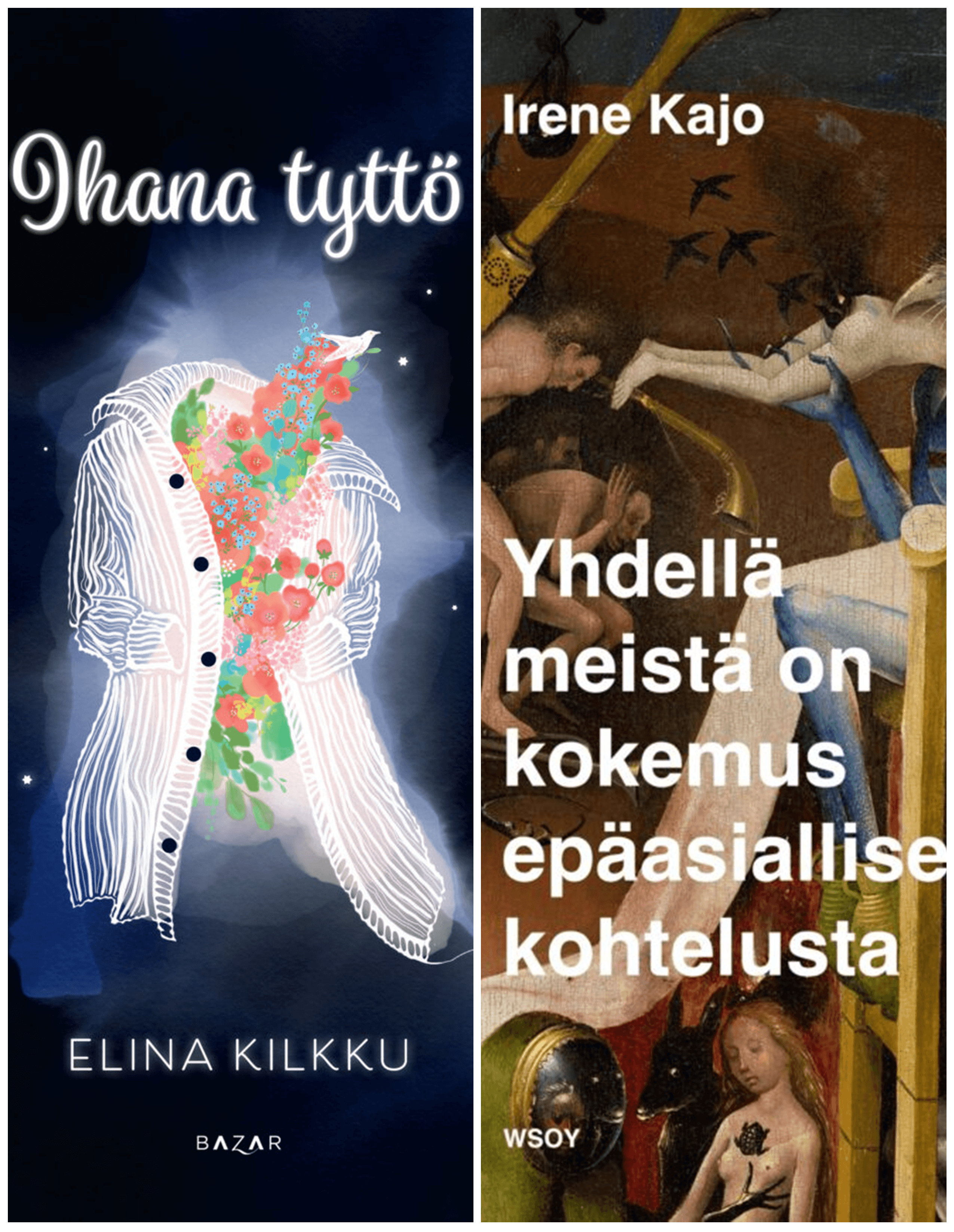
Professional ethics can also be taught through literature rather than solely through institutional policies or codes of conduct. Stories exploring grooming, manipulation and abuses of power provide valuable opportunities to discuss situations that often unfold gradually and appear ambiguous to outsiders. They encourage students to reflect on consent, victim-blaming and a fundamental question: what does a safe and ethically responsible teacher–student relationship look like?
4. Preparing students for professional reality
Finally, safety skills should become part of career education. Students need opportunities to discuss the realities of artistic working life, where networking events, after-parties, alcohol and informal power structures can blur professional boundaries. Equally important is learning the role of the bystander: how to intervene safely, support others and respond when misconduct occurs.
Many universities outside Finland now deliver consent education through compulsory online courses. These provide valuable knowledge, but they also risk reducing consent to another administrative requirement. What impressed me most at the University of Galway was something different. Consent was visible everywhere: in posters, digital displays, stickers and everyday conversations. It was not simply a course but part of the university's culture.
That, perhaps, is the most important lesson. Consent education should not revolve only around risks, prohibitions or misconduct. It should also invite students to imagine the kind of artistic community they want to build. Universities could organise workshops, themed weeks and discussions exploring what makes an excellent teacher, a healthy workplace and a trustworthy artistic community. Equally valuable are conversations about the “green flags” of relationships: the forms of interaction that feel genuinely safe, respectful and supportive. It is important to normalise conversations about consent, boundaries and power without relying exclusively on the language of crisis.
As sociologists Jennifer S. Hirsch and Shamus Khan have observed, university may seem like a relatively late stage to begin these conversations. Yet it remains one of the most powerful places to shape students' professional cultures, strengthen safety and influence the future of the arts.
The future we choose
The late Finnish pianist and pedagogue Seppo Salovius once said something during a lecture on piano pedagogy that has stayed with me ever since. Teachers, he argued, should imagine themselves as wealthy spenders – not wealthy in money, but rich in ideas, generosity, time and encouragement. A teacher should give away everything they know, share their expertise without reservation and continually search for new ways to help their students grow.
That philosophy captures the essence of consent education far better than any policy document. At its heart, consent education is an investment in young people. It is about giving students the knowledge, confidence and interpersonal skills they need not only to become better artists, but also to build healthier relationships, recognise abuses of power and contribute to professional communities where respect is the norm rather than the exception.
Institutions and pedagogues should show the same generosity in supporting young artists. We should actively seek ways to strengthen their wellbeing, safety and opportunities to develop sustainable artistic careers. Although safety skills alone cannot solve every problem within the arts, we should provide young people with every possible tool to protect themselves, recognise the unique risk factors of artistic professions and navigate a field that can be both profoundly inspiring and deeply challenging. There is no reason to withhold the knowledge, support and practical resources that students need to flourish within such a complex professional culture.
There is already a substantial body of research demonstrating effective ways to prevent sexual harassment, emotional abuse and the misuse of power. We are no longer asking whether these problems can be prevented, but whether we are willing to make the investments necessary to apply what we already know to specific fields. However, translating this knowledge into practice requires long-term commitment, institutional leadership and structural change. The potential benefits are considerable. Safer organisational cultures not only protect young artists but also strengthen trust, wellbeing, creativity and sustainable careers. In the long run, prevention is also an economic investment: promoting wellbeing and healthy organisational cultures is far less costly than addressing the consequences of crises, burnout, misconduct and abuse.
Perhaps that is what I ultimately brought home from Galway: not only new knowledge, but hope. The research exists. The educational tools exist. The evidence exists. We already know far more than we often realise about how to prevent misconduct and foster healthier artistic communities. What remains is the collective willingness to invest in applying and implementing those solutions and to build an arts sector where excellence and safety are understood not as competing values, but as mutually reinforcing ones.

Anna Ramstedt, PhD, MMus, is a music researcher and music pedagogue. In her doctoral dissertation, she examined sexual misconduct, emotional abuse and gender inequality in the culture of classical music in Finland. She is currently investigating long-term approaches to preventing misconduct in her research project, Musicians’ Safety Skills: Consent Education and Social-Emotional Learning in the Prevention of Misconduct, at the University of Helsinki. The project is supported by the Jenny and Antti Wihuri Foundation.
Sources:
Active* Consent. 2026. “Our Research”. Retrieved 14.5.2026. https://www.consenthub.ie/research/
Anttila, Anna. 2019. Tyttöhän soittaa kuin mies! – Kuinka vahvistaa taide- ja kulttuurialan tasa-arvoa ja työhyvinvointia? Kulttuuripolitiikan tutkimuskeskus Cuporen verkkojulkaisuja 55. Retrieved 14.5.2026. https://www.cupore.fi/images/tiedostot/2019/tyttohan_soittaa_kuin_mies__final.pdf
Auramo, Jouni, A. Mylläri, T. Murtoniemi, S. Saarikallio, J.Murto, E. Laakso, K. Johansson, P. Home and N. Kuokka. No date. Suomalaisen musiikkikoulutuksen visio 2030. Retrieved 18.5.2026. https://musiikkikoulutuksenvisio.fi/materiaalipankki/suomalaisen-musiikkikoulutuksen-visio-2030-raportti-2030/
Bull, Anna.2024. Learning from survivors: Reporting parties' perspectives on how higher education institutions should address gender-based violence and harassment. Higher Education Quarterly 78(3): 1123–1137. https://doi.org/10.1111/hequ.12517
CASEL [Collaborative for Academic, Social, and Emotional Learning]. 2025. ”Our History”. Retrieved 27.11.2025. https://casel.org/about-us/our-history/.
DOJ [Department of Justice, Home Affairs and Migration]. 2025. “Minister Jim O’Callaghan announces allocation of €3.2 million to expand domestic, sexual and gender-based violence services.” 15.12.2025. Retrieved. 14.5.2026. https://www.gov.ie/en/department-of-justice-home-affairs-and-migration/press-releases/minister-jim-ocallaghan-announces-allocation-of-32-million-to-expand-domestic-sexual-and-gender-based-violence-services/
DiSantis, Clarissa J. and Graham J. Towl. 2025. Addressing student sexual violence in higher education: A good practice guide. 2. edition. Leeds: Emerald Publishing. https://doi.org/10.1108/9781837977833
FRA, EIGE, Eurostat. 2024. EU gender-based violence survey – Key results. Experiences of women in the EU-27. Publications Office of the European Union, Luxembourg. Retrieved. 14.5.2026. https://ec.europa.eu/eurostat/documents/7870049/20464303/KS-01-24-013-EN-N.pdf/052adbe2-40bd-9472-87c0-ed14c7106bfa?version=1.0&t=1732193841491
Gaunt, Helena and Heidi Westerlund, eds. 2013. Collaborative learning in higher music education. London: Routledge.
Grant, Harriet and Dan Milmo. 2023. "A fifth of teenagers watch pornography frequently and some are addicted, UK study finds." The Guardian, 10.3.2023. Retrieved. 14.5.2026. https://www.theguardian.com/society/2023/mar/10/porn-study-survey-uk-teenagers-addicted
O’Hare, Paul and Catriona Renton. 2025. "How victims shone a light on ’beastie house’ child abuse ring." BCC, 27.1.2025. Retrieved 13.5.2026. https://www.bbc.com/news/articles/c2ld7enjj9eo
Oikeusministeriö. 2023. "Seksuaalirikoslaki muuttui – viestintäkampanja ohjaa tietopaketin ääreen." Oikeusministeriö, 23.1.2023. Retrieved 14.5.2023. https://oikeusministerio.fi/-/seksuaalirikoslaki-muuttui-viestintakampanja-ohjaa-tietopaketin-aareen?languageId=fi_FI
Oikeusministeriö. 2026. Avustukset väkivallankatkaisupalveluihin 2026 myönnetty. 18.3.2026. Retrieved 14.5.2026. https://oikeusministerio.fi/-/avustukset-vakivallan-katkaisupalveluihin-2026-myonnetty
Hannula, Tommi. 2026. "Miksi eliitti hakeutui Epsteinin seuraan rikostuomion jälkeenkin?" Helsingin Sanomat, 7.2.2026. Retrieved 13.5.2026. https://www.hs.fi/maailma/art-2000011799293.html
Juntunen, Marja-Leena and Heidi Partti, toim. 2023. Musiikkikasvatus muutoksessa. Helsinki: DocMus-tohtorikoulun julkaisuja 20. https://urn.fi/URN:ISBN:978-952-329-321-2
Jääskeläinen, Anni. 2026. Musiikin ammattiopiskelijoiden psyykkisten taitojen kehittäminen. Musiikintutkijoiden 27. valtakunnallinen symposium: Soiva yhteisöllisyys, 22.4.2026. Åbo Akademi. Retrieved 14.5.2026. https://www.mtsnet.fi/wp-content/uploads/2026/04/Abstraktit_Musiikintutkijoiden_symposium2026.pdf
Jääskeläinen, Tuula. 2023. Music students’ experiences of workload, stress, and coping in higher education. Studia Musica 94. Helsinki: Taideyliopiston Sibelius-Akatemia, DocMus-tohtorikoulu. Retrieved 14.5.2026. https://urn.fi/URN:ISBN:978-952-329-298-7
Kelly, Liam. 2026. "Jeffrey Epstein seduced the classical music world. But why?" The Telegraph, 26.2.2026. Retrieved 3.8.2026. https://www.telegraph.co.uk/music/classical-music/jeffrey-epstein-seduced-classical-music-world/
Kilkku, Elina. 2020. Ihana tyttö. Helsinki: Bazar.
Kivinen, Marika, Hanna Lammi and Leena Unkari-Virtanen, toim. 2021. Laulajan keho ja mieli – psykofyysisyys, vuorovaikutus ja luovat toimintatavat laulunopetuksessa. Helsinki: Metropolia Ammattikorkeakoulu. https://urn.fi/URN:ISBN:978-952-328-314-5
Laukkanen, Anu, Sari Miettinen, Aino-Maija Elonheimo, Hanna Ojala and Tuija Saresma, eds. 2018. Feministisen pedagogiikan ABC – Opas ohjaajille ja opettajille. Helsinki: Vastapaino.
Le Monde and AFP. 2026. "France probes return of adult website linked to mass rape and childabuse." Le Monde, 29.4.2026. Retrieved. 13.5.2026. https://www.lemonde.fr/en/france/article/2026/04/29/france-probes-return-of-adult-website-linked-to-mass-rape-and-child-abuse_6752952_7.html
López-Íñiguez, Guadalupe. 2025. "Musically gifted children require support and care from music teachers to further enhance their holistic development." In Anna Kanerva (ed.), A flexible hobby, an approachable instructor and other researchers’ recommendations for instructors of children’s and adolescents’ leisure activities, 115–124. Helsinki: University of the Arts Helsinki. https://urn.fi/URN:ISBN:978-952-353-096-6
McDonald, Henry. 2009. "'Endemic' rape and abuse of Irish children in Catholic care, inquiry finds." The Guardian, 20.5.2009. Retrieved 3.8.2026. https://www.theguardian.com/world/2009/may/20/irish-catholic-schools-child-abuse-claims
Metsälä, Susanna, E. Anttila, H. Kauppila, P. Kleimola, A. Koskinen, M. Koskiniemi, K. Köngäs, S. Leinikki, J. Lehmus, E. Linjama, P. Paappanen, R-M. Punkki-Heikkinen, U. Päivikkö, A. Saarela, A. Tucker, A. Valta, K. von Numers-Ekman, J. Valkeapää and M. Ylikorva. 2022. Esittävien taiteiden kasvatuksen ja koulutuksen visio 2030. Taideyliopisto. https://urn.fi/URN:ISBN:978-952-353-063-8
Naisten Linja. 2026. ”Naismurha eli femicide”. Naisten Linja. Retrieved 13.5.2026. https://naistenlinja.fi/naismurha/
Niemi, Lisa. 2024. “Ministerit ja lapsiasiavaltuutettu arvostelevat yläkouluihin jaettua seksiopasta”. Helsingin Sanomat, 25.11.2025. Retrieved 3.7.2025. https://www.hs.fi/suomi/art-2000010858610.html
Pelastakaa lapset. 2026. Mun keho mun rajat – Opas nuorille. 2.9.2021. Retrieved 14.5.2025. https://www.pelastakaalapset.fi/ajankohtaista/mun-keho-mun-rajat-opas-nuorille/
Ramstedt, Anna. 2024. Misconduct, Abuse and Classical Music: A feminist study on social imaginaries and women musicians’ experiences of gender inequality in Finland. Helsingin yliopisto: Filosofian, taiteiden ja yhteiskunnan tutkimuksen laitos. Dissertationes Universitatis Helsingiensis 300/2024. Studia Musicologica Universitatis Helsingiensis XXXI/2024.
Ramstedt, Anna. 2026a. ”Rajojen hämärtyessä: Kehollisentoimijuuden rakentuminen klassisen musiikin koulutus- ja työkulttuurissa”. Musiikki56(1): 12–35. https://doi.org/10.51816/musiikki.181230
Ramstedt, Anna. 2026b. ”Tunne- ja turvataidot musiikinkorkeakouluopinnoissa ja epäasiallisen käytöksen ennaltaehkäisyssä”. Musiikki56(1): 36–66. https://doi.org/10.51816/musiikki.181231
Rosavaara, K. (Ed.), Heinonen, H., Hiltunen, M.,Huhmarniemi, M., Kivioja, J., Kärkkäinen, S., Lehtovuori, N., Merenmies, E.,Mustonen, E., Suominen, A., and Vakkari, J. 2022. Kuvataidekoulutuksen ja-kasvatuksen visio 2030. Taideyliopisto. https://urn.fi/URN:ISBN:978-952-353-436-0
Rädda Barnen.2026. Stopp! Min Kropp! Retrieved 14.5.2026. https://www.raddabarnen.se/stod-och-kunskap/stopp-min-kropp/.
Saarikivi, Taina. 2024. Neromyytti ja karismaattinen vallankäyttö taidekoulutuksessa. Särö, 22.5.2024. Retrieved 15.5.2026. https://sarolehti.net/lehti/neromyytti-ja-karismaattinen-vallankaytto-taidekoulutuksessa/
Saarikoski, Sonja. 2020. “Pitkät jatkot - Me too-keskustelu on vallannut alan toisensa jälkeen, mutta klassisen musiikin kenttä on ollut yllättävän hiljaa.” Image 2020(2).
Srinivasan, Amia. 2021. The Right to Sex. London: Bloomsbury.
Vandoorne, Saskya, Kara Fox, Niamh Kennedy, Eleanor Stubbs and Marco Chacon. 2026. “Exposing a global ‘rape academy’.” CNN, 26.3.2026. Retrieved 13.5.2026.https://edition.cnn.com/interactive/2026/03/world/expose-rape-assault-online-vis-intl/index.html
Valtasaari, Pauliina. 2023. Orkesterimuusikoiden työnohjaus: Luova potentiaali yhteisöllisyyden rakentamisen ja yksilöllisyyden kunnoittamisen risteyskohdissa. Studia Musica 95.Helsinki: Taideyliopiston Sibelius-Akatemia, DocMus-tohtorikoulu. Retrieved 14.5.2026. https://urn.fi/URN:ISBN:978-952-329-315-1
Werner, Ann and Isak Benyamine. 2026. Motverka tystnadskultur och trakasserier: Att motverka tystnadskultur, sexuella trakasserier, och andra trakasserier i scenkonstbranschen. Rapport. Retrieved 14.5.2026. https://www.diva-portal.org/smash/record.jsf?pid=diva2%3A2042712&dswid=7770
Suoni. 2026. Musiikintutkijat yhteiskunnassa. Tark. 14.5.2026. https://www.suoni.fi/musiikintutkijat-yhteiskunnassa
UniSAFE. 2026. Welcome to the UniSAFE toolkit. Retrieved 14.5.2026. https://unisafe-toolkit.eu
University of Galway. 2026a. Active* Consent. Retrieved 14.5.2026. https://www.universityofgalway.ie/student-life/student-support/active-consent/
University of Galway. 2026b. Higher Education Students and Staff. Retrieved 18.5.2025. https://www.universityofgalway.ie/student-life/student-support/active-consent/highereducationstudentsstaff/
University of London. 2026. New essential training on Bystander Interventionand Consent for Students. Retrieved. 18.5.2026. https://studenthub.citystgeorges.ac.uk/news-and-events/news/2025/september/new-essential-training-on-bystander-intervention-and-consent-for-students
University of Oxford. 2026. Consent for students. Retrieved 3.8.2026. https://www.ox.ac.uk/students/welfare/supportservice/consent-training
Featured photo by Martie Swart (CC BY 2.0)