My work The Reef, composed for two pianos and live video, is based on audio recordings made on the coral reef of Mu Koh Lanta Underwater National Park in Thailand. With the help of software-based analysis, the original sounds were interpreted into rhythms and pitches. However, the focus remains primarily on the composer’s choices: the form and meaning of the music emerge as a result of the author’s artistic decisions.
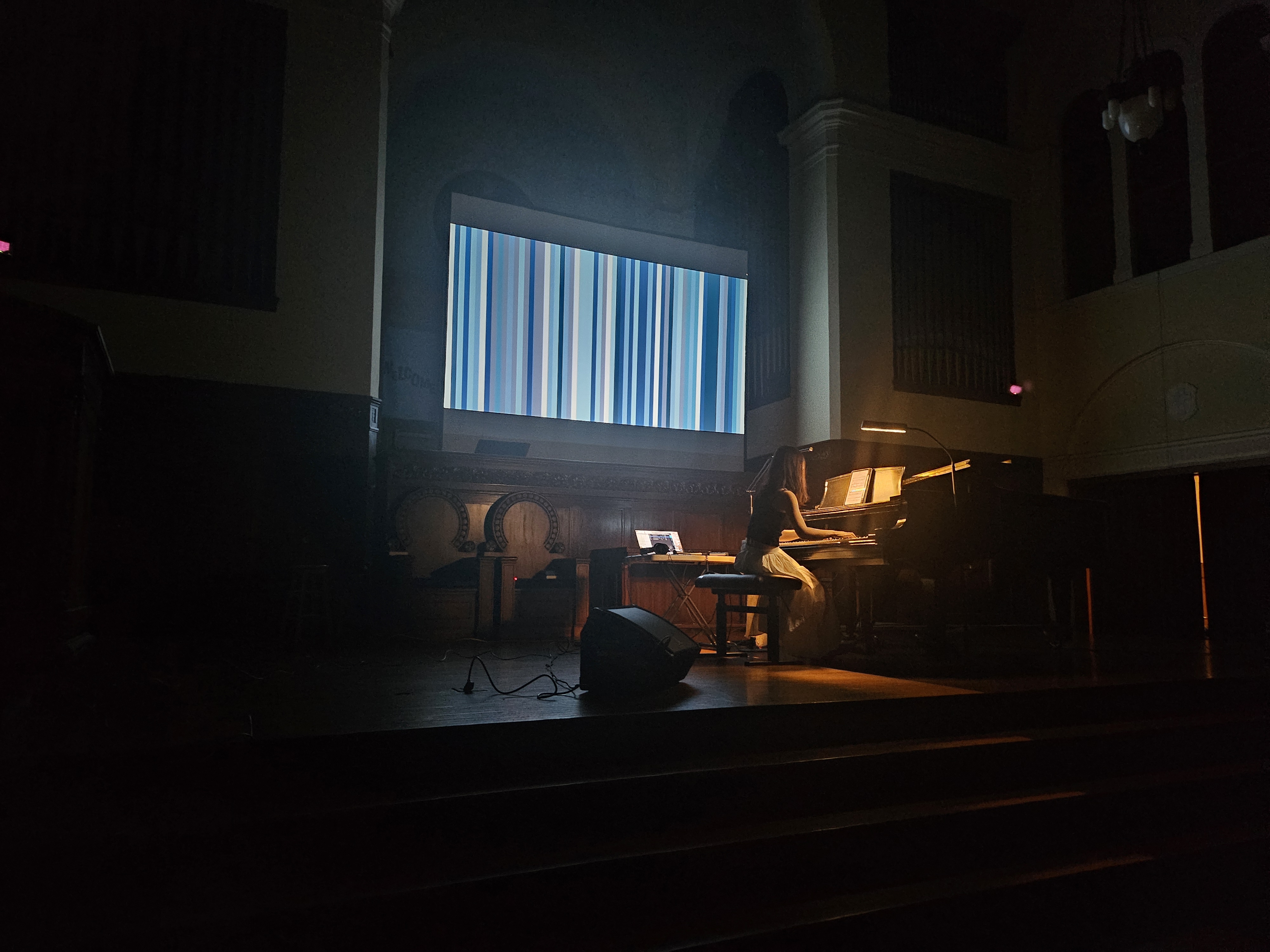
When composing this work, my intention was to highlight the importance of protecting our marine environments. As a young composition student in the 2000s, composers’ participation in social discourse through their art was not considered particularly essential. Alongside my colleagues, I of course admired the impressive works of Luigi Nono and the powerful humanistic message engraved in them. However, because composers at that time primarily focused on technical solutions, and especially on how to create something “new”, I could not imagine my own compositions conveying any particular social message. The pursuit of novelty was almost omnipresent in discussions surrounding contemporary music. Like science and technology, music was expected to strive constantly for innovation. In artistic sense, however, we are living in more interesting times: pluralism has replaced the general expectation to adhere to any specific style or compositional technique.
As is the case for many Finns, nature has always played an important role in my life. However, I only began considering it as a potential subject for my own compositions in 2020, when Tampere Biennale commissioned a chamber music piece related to that year’s festival theme, nature. Since I have lived in coastal areas all my life, the sea quickly became the starting point for the project. Yet Debussy, Ravel & co had already explored the subject quite exhaustively in their compositions long before me, which led me to consider how I might bring a fresher perspective to it. As an artist-researcher, I soon ended up exploring the possibilities of data sonification, which also introduced an additional poetic dimension to the composition: part of the authorship of the music would be given to the sea itself. This idea resulted first in my chamber music piece El Canto del Mar Infinito and, a couple of years later, in The Reef.
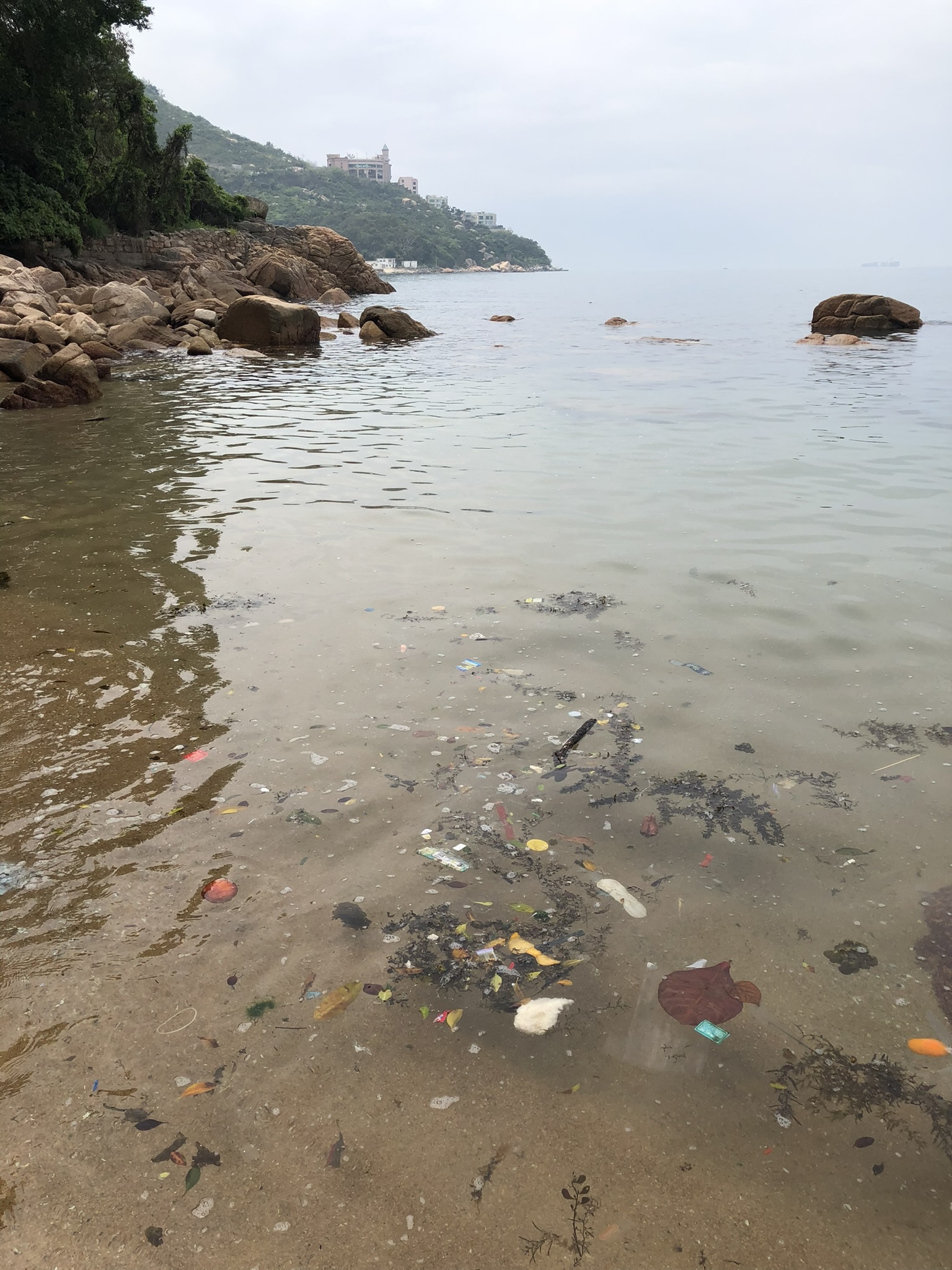
While working as an assistant professor of composition in Hong Kong, I lived right by the sea on the coast of Stanley. The seascapes there are breathtakingly beautiful, yet marine pollution and littering are also serious concerns. Together with a real-time video work created by visual artist Andre Veloux, The Reef portrays the damage caused by pollution to coral reefs. In addition to the recorded audio material, the vivid colors of the ecosystems and their gradual fading are reflected in the work. Beyond its artistic goals, the work poses a question: can this process still be reversed or even stopped?
After completing the score, I sent Veloux a MIDI version, which he used as the basis for his video artwork. His abstract visual surfaces mirror the music in detail: in addition to defining the overall musical form, the temporal and dynamic dimensions of the original audio recordings indirectly influenced the structure of the video artwork as well. The visual element was created by assigning colours to different hexadecimal bytes of the source code of the work’s audio files, resulting in coloured barcodes that were then connected to one another. Veloux used a Lego colour palette to create physical models of these barcodes, which form the basis of the accompanying visuals.
The imitation of natural phenomena in musical composition is, of course, not new. Themes related to the sea or the movement of water have been widely represented, particularly in Romantic piano and orchestral repertoire. However, whereas earlier composers had to rely solely on sensory observation, modern technology enables us to analyse matter down to the atomic level. In sonification, the composer must decide which features or parameters to choose to analyse, which tools to use, and how faithfully the original material is eventually replicated. Is the aim to replicate the data as accurately as possible, or to draw inspiration from it in support of artistic goals? These are creative decisions that lie at the heart of the process.
Moreover, the original data must first be clearly defined, and decisions need to be made about how it will be prepared for use (for example, through quantisation, transposition, or rearrangement). Another important step is choosing how the data will be translated into music. Should each parameter be mapped directly to a specific musical element, or should the data be shaped into a broader musical model? And once the mapping is established, should these parameters evolve over the course of the piece, or remain unchanged?
Each of these choices shifts the outcome from objective reproduction toward subjective musical meaning. The sonic material produced through analysis is merely raw material and cannot, in itself, constitute an artistically meaningful entity. Art rarely seeks to generate objective information, but rather, it interprets that information socially and emotionally. Sonification does not replace human creativity, but expands its expressive possibilities, at best offering novel ways of telling stories about nature, technology and our time: the composer’s role remains that of a mediator between data and humanity. The actual compositional work therefore continues to rest with the composer.
I am currently working within the Sonic Ecologies research track at KreativInstitut.OWL (Hochschule für Musik Detmold). I believe that sonification still provides significant potential for a composer-researcher to unravel. The union of pianism and data sonification initiated in The Reef will now continue in my orchestral music. The next composition in this series will be the piano concerto Virta 2.0 (“The River 2.0”), based on sonified data from the underwater ecosystem of the Kokemäenjoki River, located in the Western Finland. It will be written for and dedicated to pianist Laura Mikkola. Virta 2.0 will also serve as a tribute to Selim Palmgren’s Kokemäenjoki-themed piano concerto Virta.
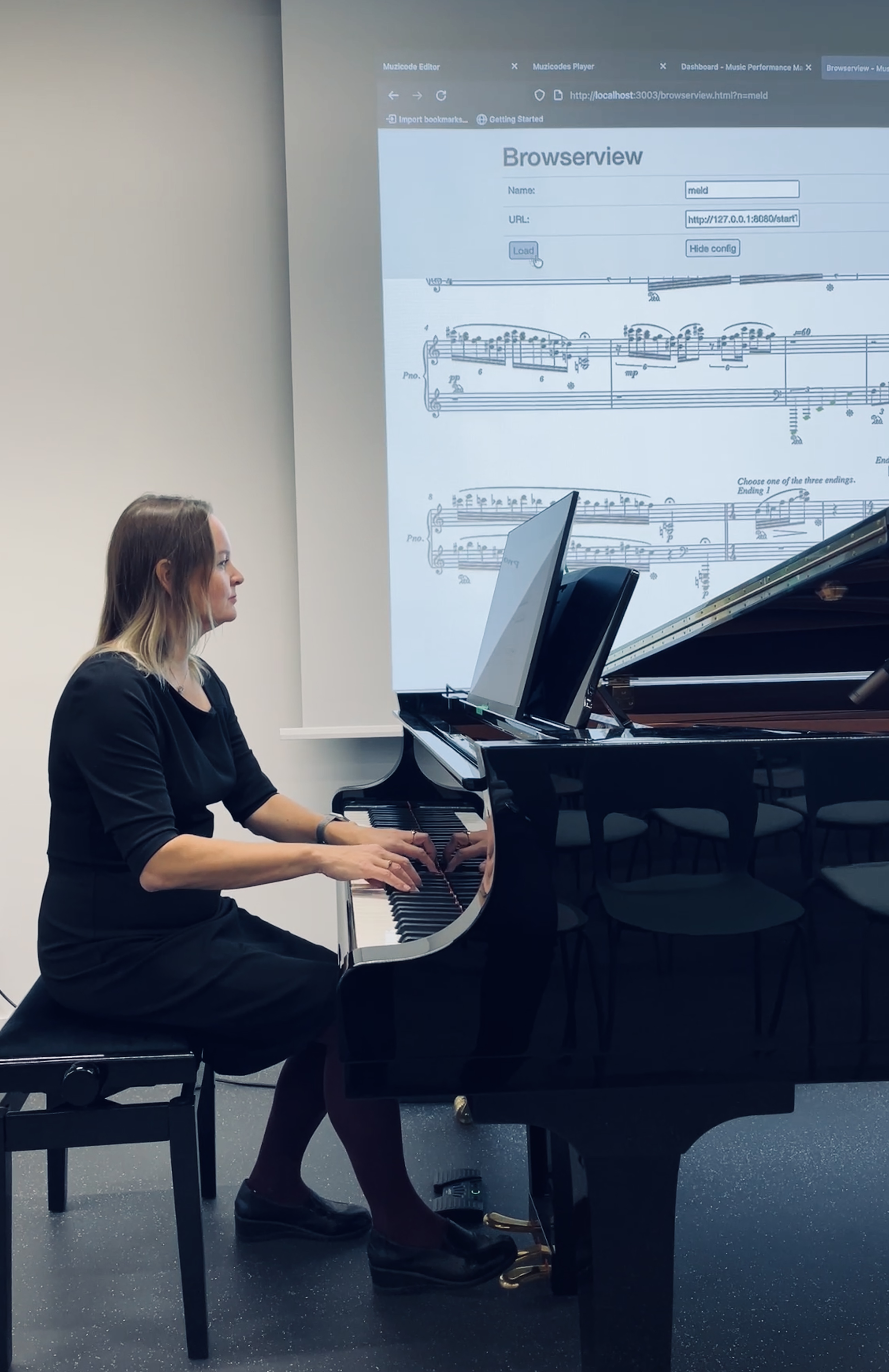
The Reef was awarded a prize in the Climate Change-category of the Sonification Awards 2025 in Boston, March 2025.
More information on sonification: Kallionpää, M., Gasselseder, H.-P., & Berndt, A. (2023). Sonification as a Composition Technique and Means of Artistic Expression. Sonification as a Composition Technique and Means of Artistic Expression.