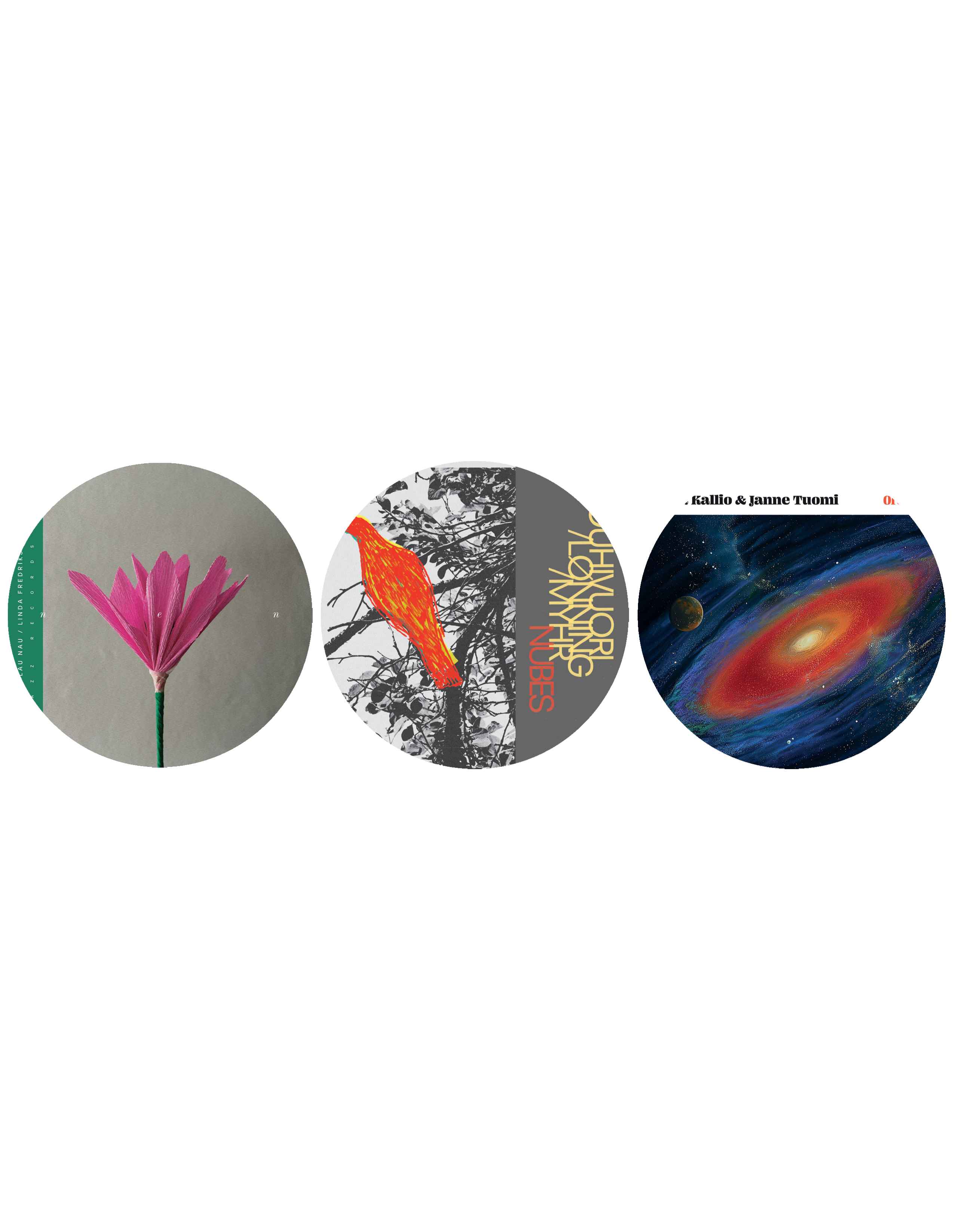
One learns something new every day, but I was somewhat bemused when the new Louhivouri - Lønning - Myhr album, Nubes, was presented under the genre label of “non-jazz”. The term has a slightly contrived ring to it, but it starts to make perfect sense when you listen to some of the latest Finnish explorations of ambient jazz.
Improvised music reaching beyond the traditions of what is labelled jazz is hardly a novel concept: non-jazz was used to describe new conceptions of jazz already in the 60s. Yet there seems to be something original bubbling up in the Scandinavian jazz scene that deserves this description.
Lend your ear, for instance, to the clear, bell-like harmonies of Mika Kallio and Janne Tuomi on the new Oresme, which continues Kallio’s odyssey into gongs and other assorted metallophones. The duo manages to conjure novel ambiances of harmonic clarity and weight.
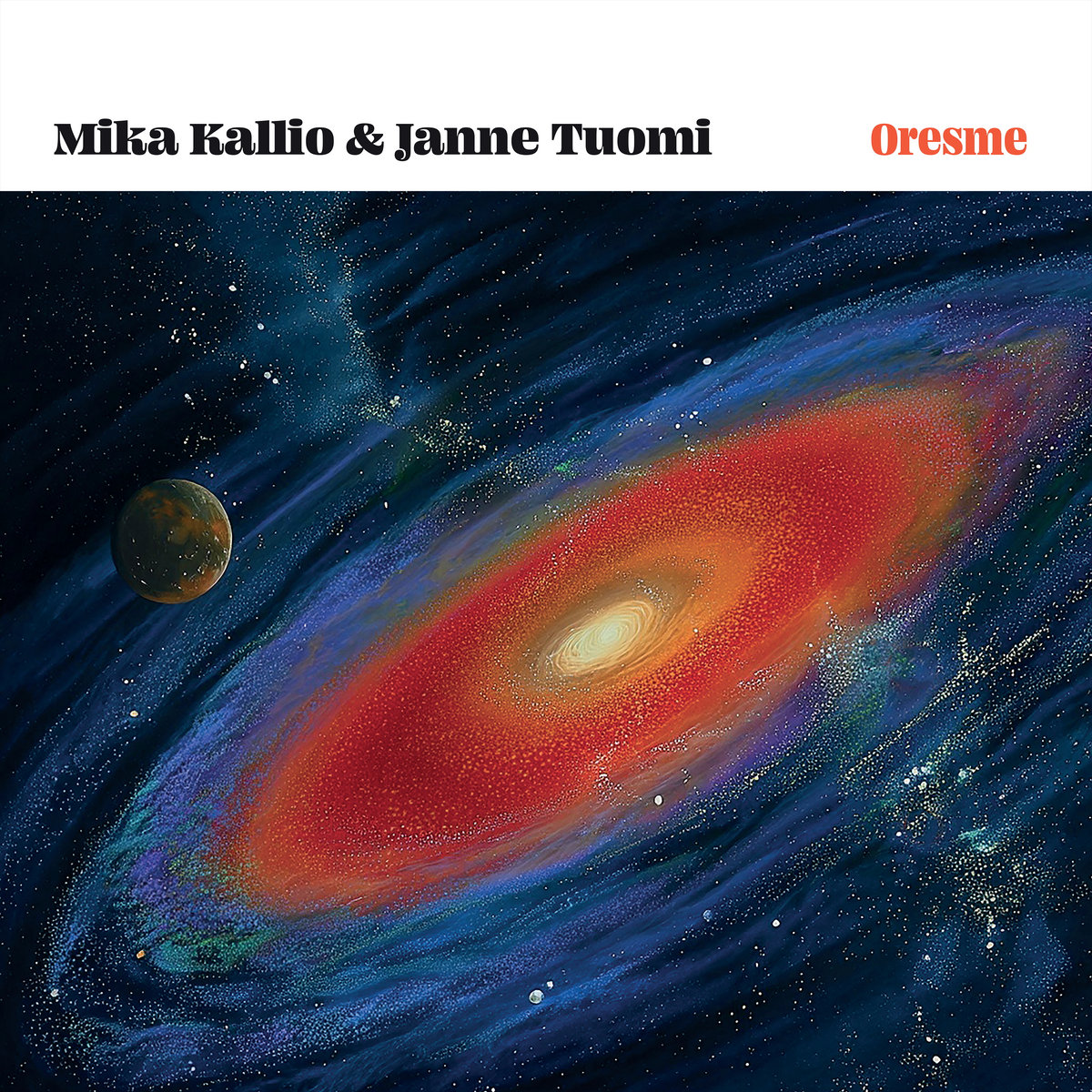
On Oresme, the rhythmic worlds of the two drummers collide in beautifully complex ways, yet neither eclipses the other. Kallio and Tuomi aim to evoke something untranslatable through their shared musical vision. To a large extent, they succeed: the atmosphere on Oresme is hypnotic, wonderfully meditative and almost “outside of time” in spirit.
“I was surprised to hear jazz in the jazz category”
Sometimes you hear contrasting aesthetic views on ambient jazz from the more traditionally oriented members of the Finnish jazz scene. Non-jazz, ambient jazz and traditional jazz often compete in the same music industry award categories. Without weighing in on the fairness of this practice, some of the most interesting new work is happening on the ambient side of the local scene.
Linda Fredriksson enjoyed some crossover success with their 2021 project Juniper, and the group continued to tour internationally in the following years. Kiri Ra!, their trio with electronic improviser Lau Nau (Laura Naukkarinen) and Swedish pianist Matti Bye, released its first recording in the same year as Juniper and returns in 2026 with the new nen.
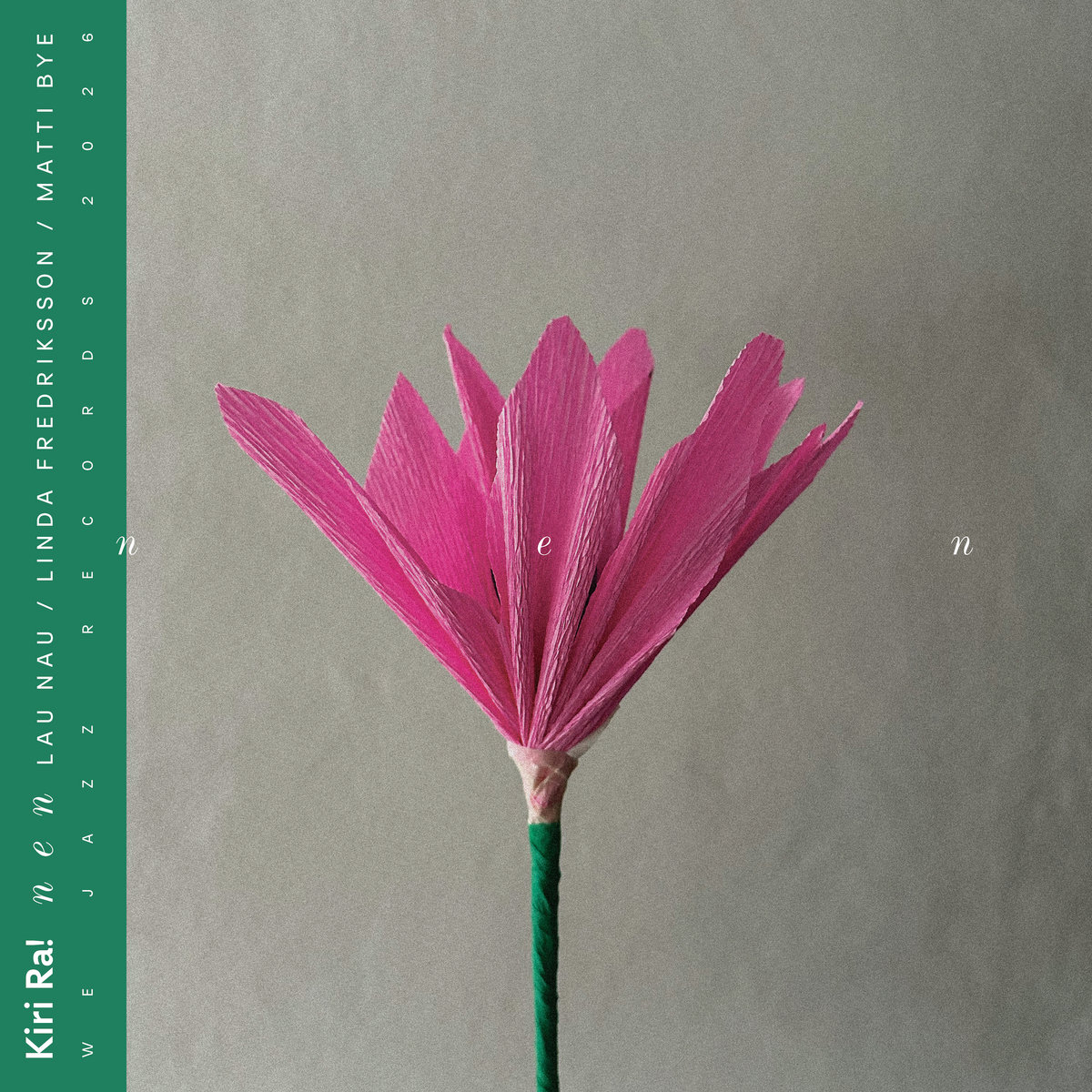
On nen, Fredriksson – best known as one of Scandinavia’s most distinctive voices on baritone sax – also plays flute, alto sax and an assortment of other instruments, including synths and even mandolin! Quite possibly, one defining element of ambient non-jazz is the musicians’ willingness to step outside their established roles as specialists in a particular instrument. The trio’s guiding idea was to record music without time pressures or fixed schedules. This approach comes through in the recording’s relaxed, free atmosphere.
There is a mysterious, joyous quality to the sonics of nen: always moving effortlessly, yet somehow calmingly static. Kiri Ra! brings a more melodic approach to Scandinavian ambient music. Their nen could be one of the most relaxing records of 2026.
From Stańko to non-jazz
Drummer Olavi Louhivuori gained international acclaim with Ilmiliekki Quartet early in his jazz career. He was later called upon by the godfather of European jazz, Tomasz Stańko himself. Oddarrang brought more cinematic atmospheres to Louhivuori’s music, but his newest offering with two Norwegians, trumpet player Eivind Lønning and guitarist Kim Myhr, ventures into full blown ambient jazz.
The new album Nubes is the clearest example of restraint and soundscape-like tone painting among the three albums discussed here. Even in the densest musical moments, the trio never loses the plot. Myhr’s static guitarwork is seamlessly entwined with Lønning’s harmonisations and effects.
At times, it seems remarkable that this recording was made live at the We Jazz festival in Helsinki. That it captures their first encounter as a trio is even more incredible, and speaks to the adventurous spirit of both the festival and the artists.
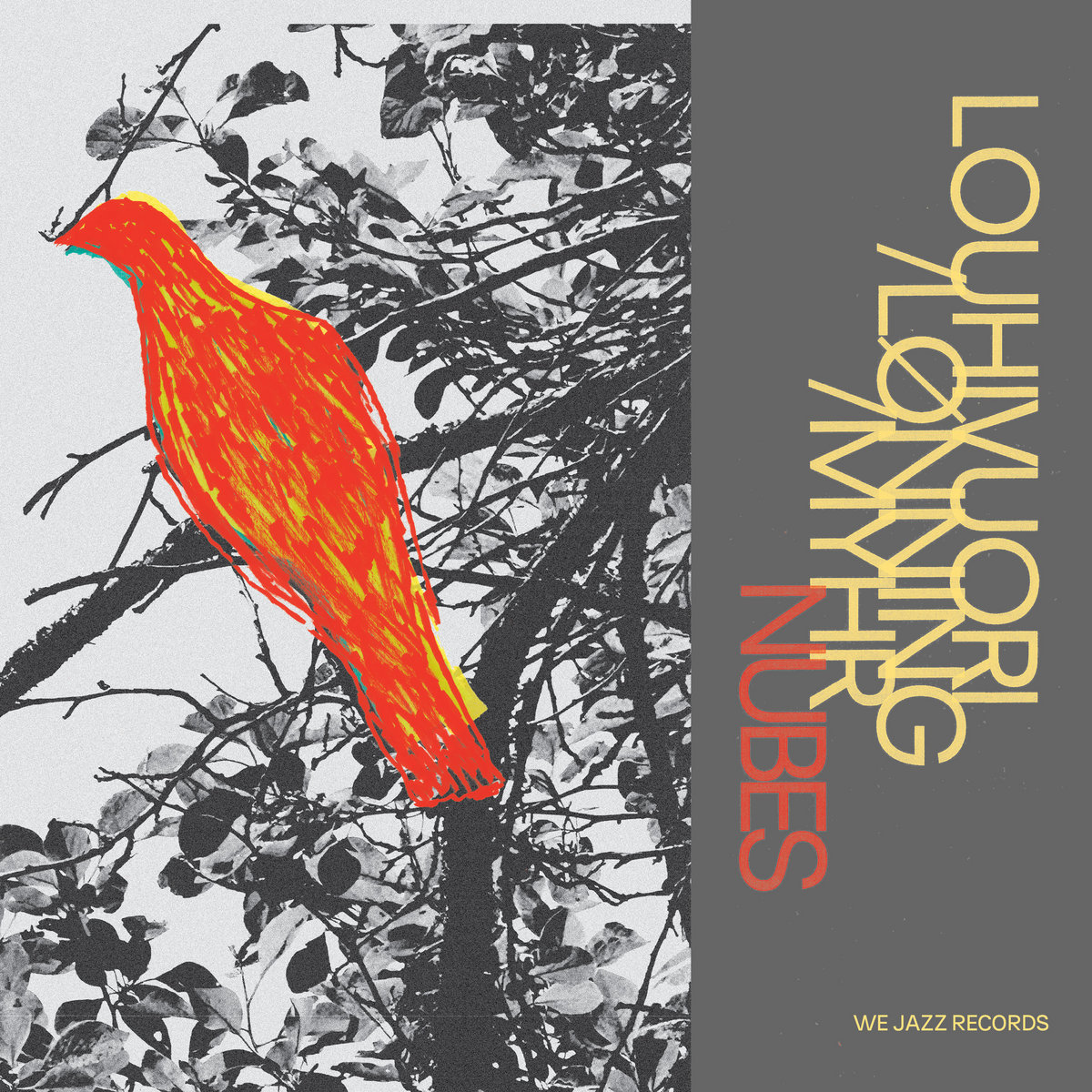
The music on Nubes communicates a sense of steadily flowing urgency, an almost anxious blend of contradictory emotions, surfacing feelings of transition and renewal. Lønning offers extended timbres, often letting us hear just a little more than his breath moving through the trumpet, while Louhivuori keeps the energy of the free-flowing compositions moving forward.
At times, the trio reaches states of noise-jazz. Yet, the distorted sounds never feel out of place within the constantly developing soundscapes. The listener is guided through the sonic maze of Louhivouri – Lønning – Myhr with skill and compassion.
Is embracing softness, slowness and long arcs one of the toughest aesthetic choices today, in a time of relentless change? Especially for jazz musicians brought up to display their volcanic soloing skills? Be that as it may, this new dose of Scandinavian ambient jazz feels like a welcome development in our overstimulated times.