"Who controls the past, or who controls the meaning and value of heritage?”
Laurajane Smith poses this question in her book Uses of Heritage (2006), which has become a cornerstone of Critical Heritage Studies. I find it thought-provoking in many ways, and I have returned to it time and again. The question hits the nail on the head. It asks not only whose voice tells the story of the past but also what remains hidden in the silences and what is left unsaid. It also underscores that meanings and values are always complex and non-uniform.
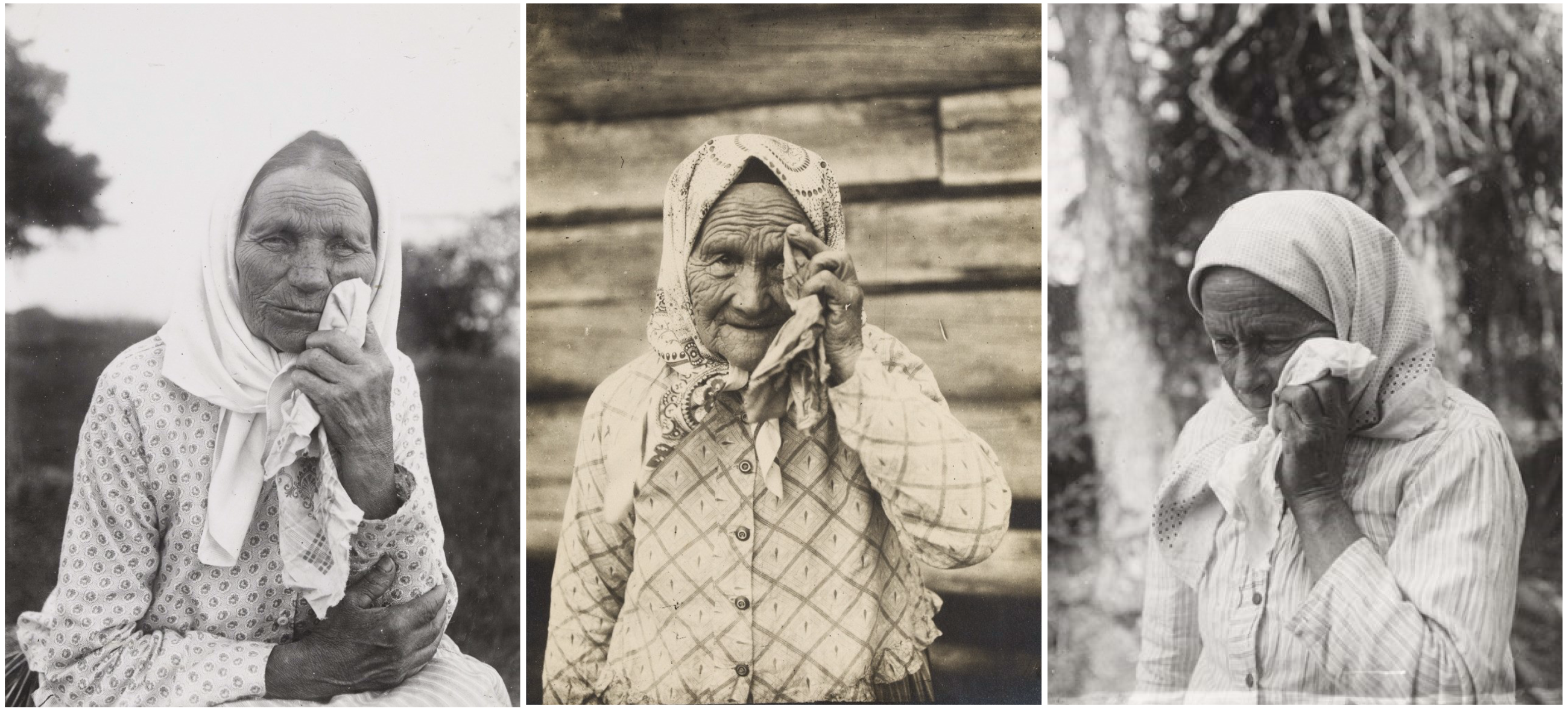
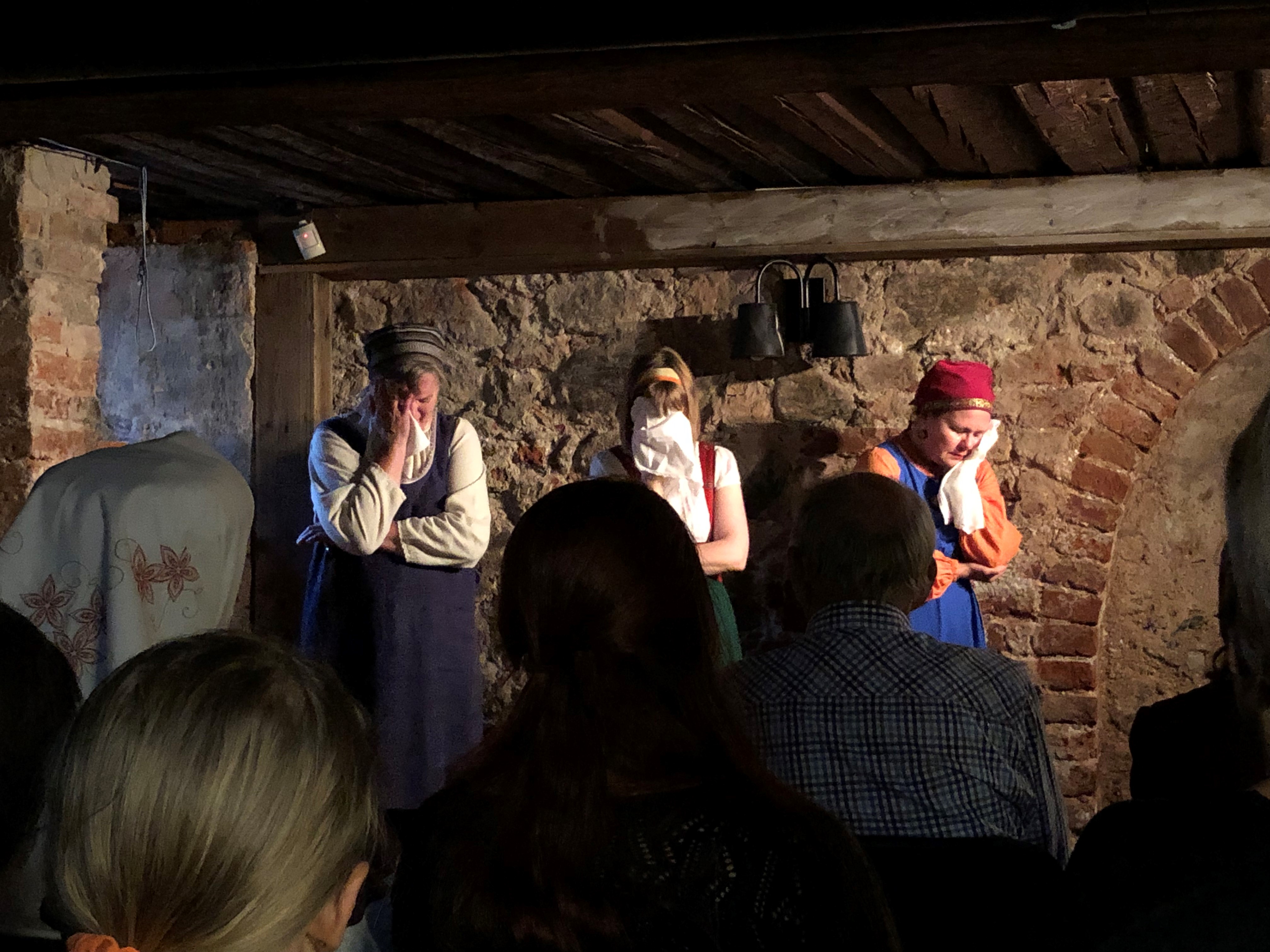
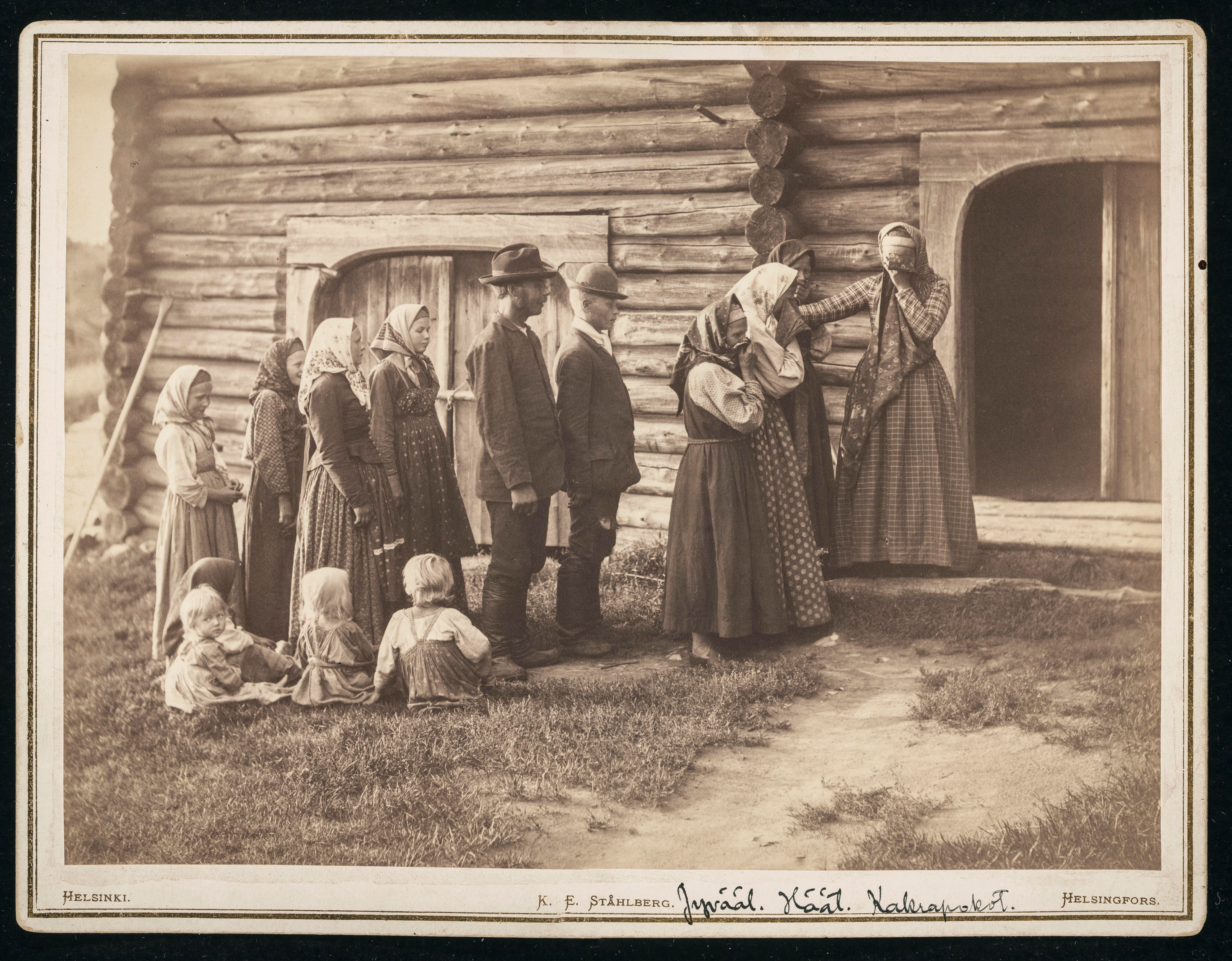
I entered the multifaceted field of cultural heritage and Critical Heritage Studies through my research on the Karelian lament tradition and its contemporary adaptations in Finland. Traditionally, laments are a form of ritual wailing that conveys specific mythic meanings and cultural knowledge. Today, people adapt the tradition for therapeutic self-expression, for artistic interpretations in contemporary folk music, and as part of efforts to reconstruct and reclaim Karelian identity. In the early 2020s, disputes arose in Finland over who could use, modernise or teach the Karelian lament tradition, which is considered cultural heritage. These disputes are connected to broader debates about power imbalances, including Western dominance in knowledge production, and about Indigenous and minority cultural rights.
Heritage Conventions
The concept of cultural heritage is linked to the UNESCO World Heritage Convention, which recognises certain cultural and natural sites as being of such value to humankind that they should be safeguarded for future generations. The Convention was drawn up in 1972, and Finland ratified it in 1987. The World Heritage Convention primarily concerns tangible sites.
In 2003, UNESCO published the Convention for the Safeguarding of the Intangible Cultural Heritage, which Finland ratified in 2013. This Convention identifies five domains in which intangible cultural heritage is manifested. These include oral traditions and expressions, the performing arts, social practices such as rituals and festive events, knowledge and practices concerning nature and the universe, and traditional craftsmanship. Music is linked in one way or another to all five domains.
Since Finland ratified the Convention for the Safeguarding of the Intangible Cultural Heritage, the use of heritage terminology has exploded across several fields, as musicologists Heidi Henriikka Mäkelä and Outi Valo have pointed out in their research article. In public and research contexts, ‘cultural heritage’ has replaced terms such as 'tradition’ and 'traditional culture’. Finnish usage adds another dimension. The terms perintö (‘heritage’) and perinne (‘tradition’) are closely related and often used interchangeably or even synonymously. However, they have distinct meanings, connotations and histories.
The Convention for the Safeguarding of the Intangible Cultural Heritage emphasises participation. Its basic premise is that cultural heritage should always be defined and recognised by communities and groups themselves, not by outside authorities. At the same time, national and international organisations such as UNESCO play a role in validation processes.
Dissonant heritage
In heritage discourse, cultural heritage communities have long been seen as homogeneous groups whose members share, for example, a national or ethnic identity. The field of Critical Heritage Studies has moved away from this view, showing that communities can be internally divided and exposing how heritage discourses privilege certain voices while marginalising others.
Critical Heritage Studies also approaches cultural heritage as something people experience. Heritage is an ongoing, contested practice and a site of cultural negotiation and recognition.
People use cultural expressions and practices to make claims about who they are, which communities they belong to and how they understand their identities. These practices are linked to social processes, political statements and power relations. They can also take on commercial significance when local traditions, including those of minority communities, are recognised as nationally significant cultural heritage.
These processes always involve dissonances. Cultural heritage does not belong unambiguously to a single community, and the communities may interpret the same site or practice in divergent and sometimes conflicting ways. This is the case with the Karelian lament tradition, which is adapted and valued in different ways in present-day Finland.
Heritage dissonance often arises in contexts of historical injustice, where what one community values as heritage may be perceived by another as a symbol of oppression.
In Finland, the meanings and values of Karelian folklore, or intangible cultural heritage, have long been controlled by the view that Karelians are part of the Finnish people and that Karelian culture is part of Finnish identity. This view has been taken up within many Karelian communities as well as among experts and authorities. This is also evident in the lament tradition in present-day Finland, where conventional Karelian meanings and forms of expression play a relatively marginal role. Although traditions are often seen as preserving and passing on elements of the past, culture is not detachable from the people who practise it. It lives only in use and changes with the surrounding world.
Use with a sensitive touch
Dissonances and difficult questions without clear answers do not mean that we cannot act or work with cultural heritage. When drawing on elements of other cultures, it is essential to recognise and respect cultural differences and culture-specific meanings. The phrase 'other cultures’ does not always mean distant lands or ethnic cultures. Even cultural forms from our own past can be foreign to us today. The reality in which we live and grew up differs from the reality of 50 or 100 years ago.
Recognising our own position and the impact of our actions is central to working ethically and in culturally sustainable ways, whether we are creating art, conducting research or engaging in other activities.
Debates about heritage dissonance and calls for cultural sensitivity are easily associated with adaptations of traditional and ethnic music and with genres that draw on African-American traditions, such as jazz. This perspective may feel less familiar in the context of classical music, which is firmly rooted in Western culture. Yet the history of classical music is rife with examples of the othering and exoticisation of cultures both near and far. Whose views of Karelians do we hear in Jean Sibelius’s Karelia Suite?

Viliina Silvonen is a researcher specialising in the Karelian lament tradition and its adaptations and interpretations in present-day Finland. She draws on Critical Heritage Studies, and her interests include postcolonial discourse and minority perspectives related to Karelian culture in Finland.
Currently, she works as a postdoctoral researcher at the Karelian Institute of the University of Eastern Finland and the Sibelius Academy of the University of the Arts Helsinki. She is also a Research Fellow at the Finnish Literature Society.
https://www.finlit.fi/en/about-us/contact-details/viliina-silvonen-eng/
Featured photo: Lamenters posing with itkuliina, the ‘lament cloth’. This kind of pose has become iconic, and it also appears in the pictures of contemporary lamenters. In the photos: Paraske Mitrune, Suojärvi, Karelia, 1917; Irinja Taronen, Suistamo, Karelia, 1910s; and Tatjana Teronen, Korpiselkä, Karelia, 1917. Photos: Armas Otto Väisänen, The Finnish Heritage Agency, Helsinki. CC BY 4.0.