Pianists rarely think about the size of the keys they play. Most pianists are simply accustomed to playing keyboards that have an octave span of approximately 6.5 inches (16.5 cm), a configuration that was widely established in the late nineteenth century and has remained the “standard” ever since.
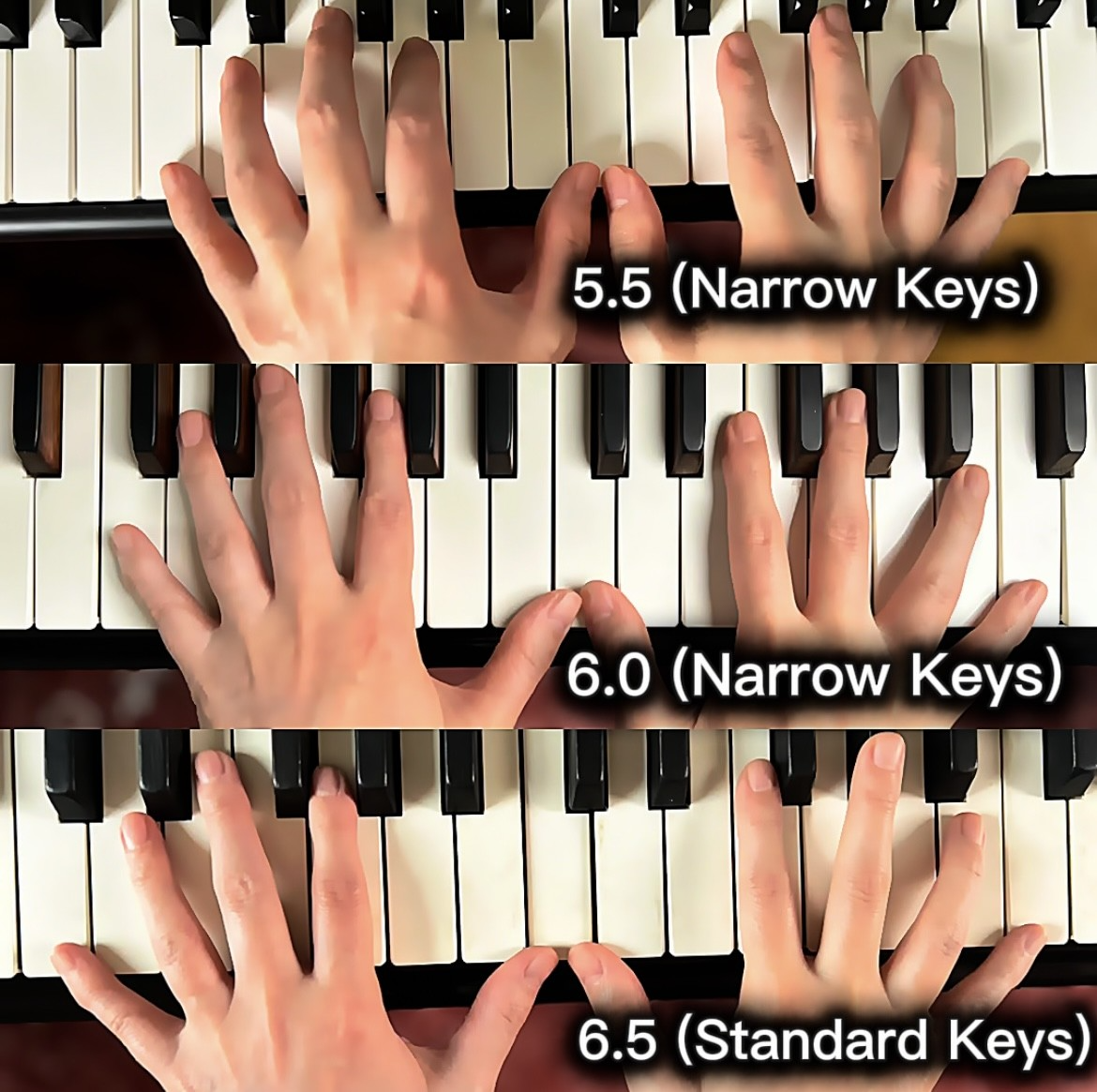
In recent years, however, several piano manufacturers and technicians have developed narrower keyboards with octave spans of 6.0 inches (15.2 cm) and 5.5 inches (14 cm), offering alternatives to the most common size. For years, PASK (Pianists for Alternatively Sized Keyboards) has advocated for a future in which pianists can freely choose between three keyboard sizes – 6.5, 6.0, and 5.5 inches – and has worked to build the infrastructure needed to make these choices widely accessible.
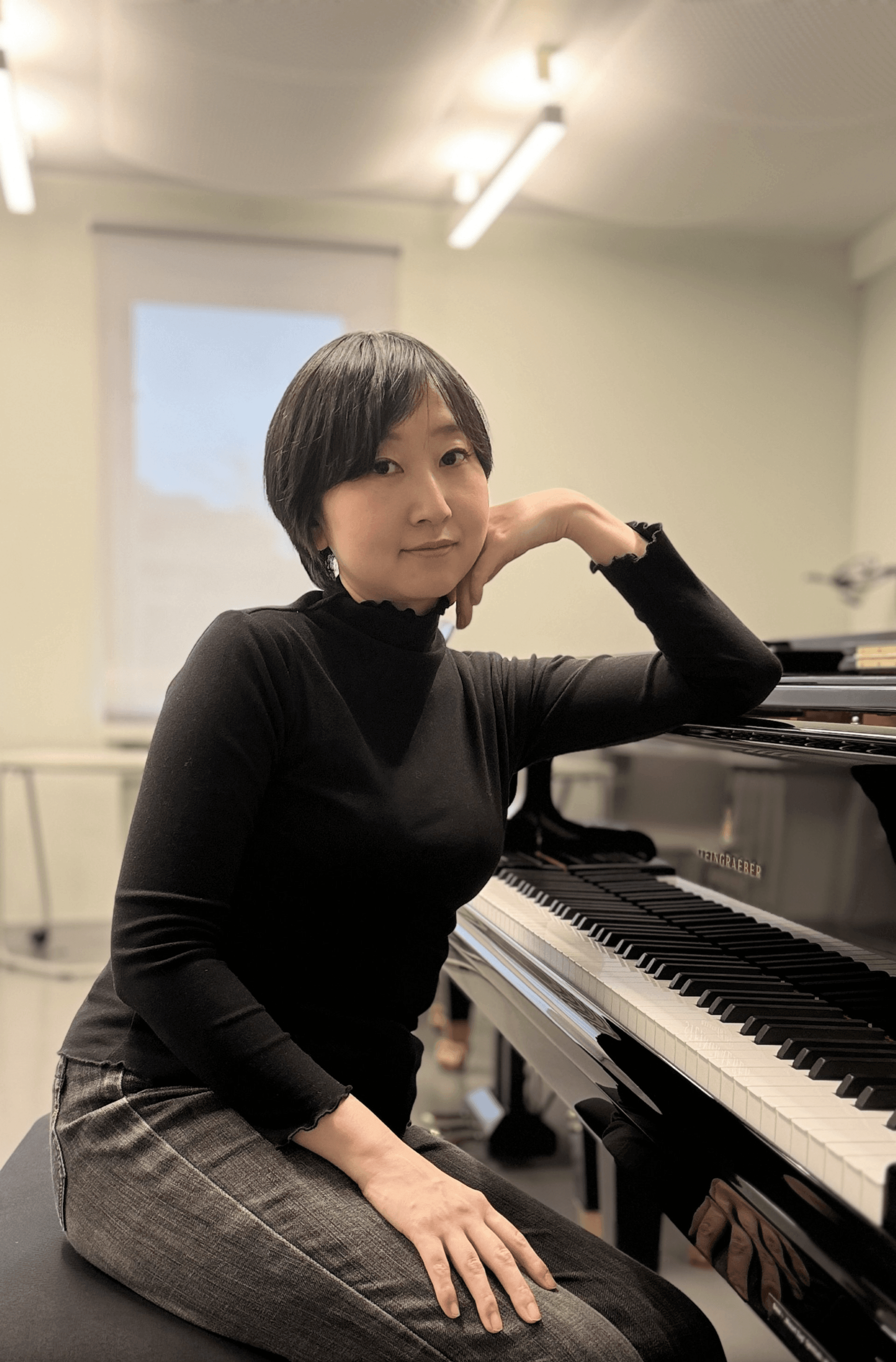
I first experienced the difference when I began playing these narrower keyboards a few years ago. It was a real eye-opener. My hands felt more natural and less tense, and I no longer needed to stretch as much when playing octaves and other wide intervals. Until then, I had assumed that this physical effort – and the frequent discomfort that came with it – was simply part of playing the piano.
The change was not only physical. With less effort, I found that my sound became richer and more resonant. I also began to recognize how much my playing on the 6.5-inch keyboard had been shaped by the need to compensate for a keyboard that did not fit my hands naturally.
Comparing the different keyboard sizes also led to an unexpected discovery. Some of the more relaxed movements I developed on the narrower keyboards could be carried over to the 6.5-inch keyboard. This gave me a practical reference point for more efficient movement, helping me become more conscious of how I could play economically even within the limitations of the 6.5-inch keyboard.
This experience became the starting point for my doctoral research at the Sibelius Academy. I aim to develop a practical model that helps pianists move between different keyboard sizes while encouraging them to discover more natural and efficient ways of playing.
Narrower keyboards and a long-overlooked need
In many instrumental traditions, different sizes have long been available. String instruments, for example, come in different sizes to accommodate players with smaller hands. Piano keyboards, by contrast, have traditionally offered far less choice, partly because of the instrument’s physical size and mechanical complexity.
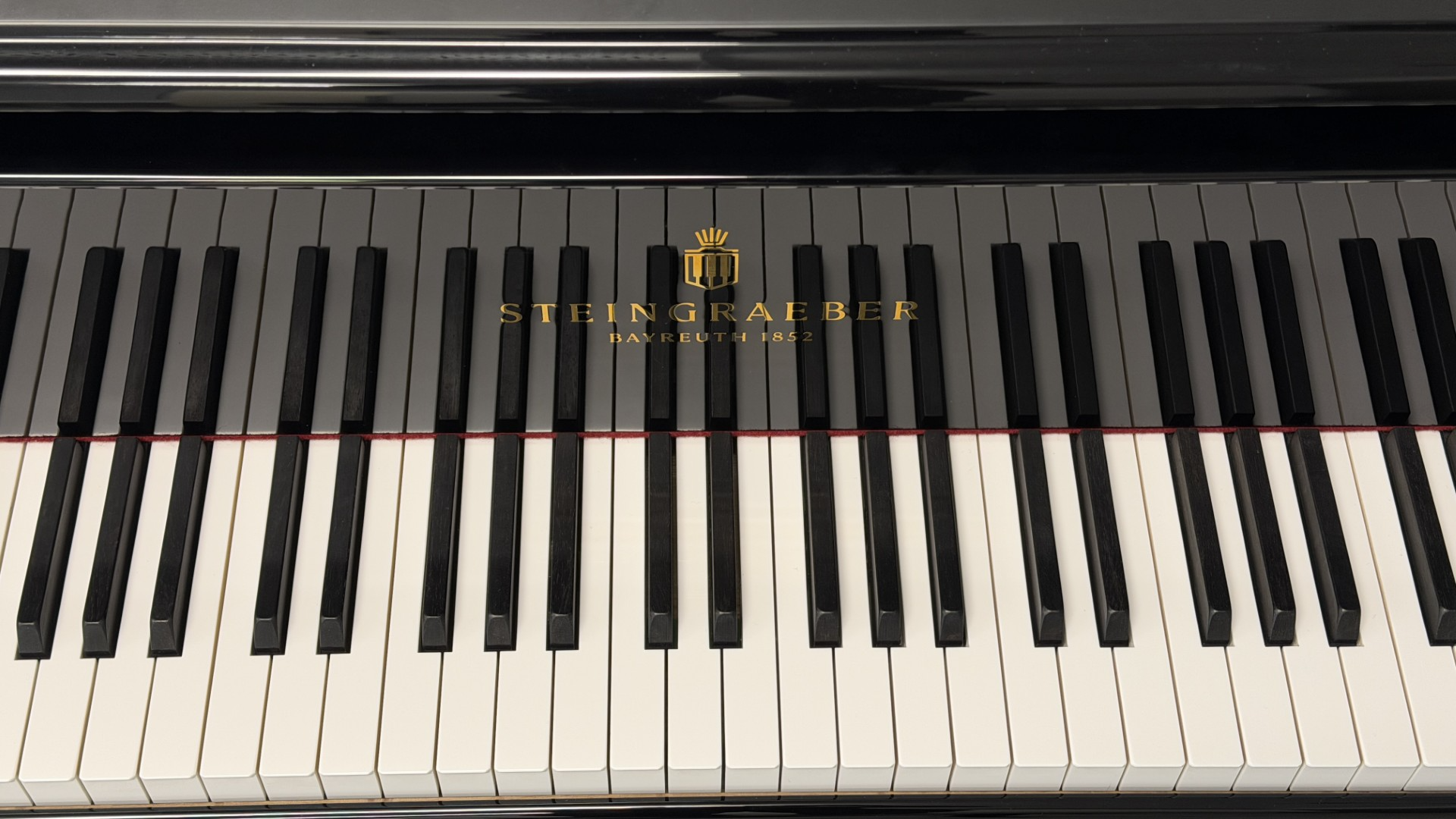
Recent developments in interchangeable keyboard systems are beginning to change this situation. The Steingraeber grand piano that recently arrived at the Sibelius Academy is equipped with a system that allows the keyboard to be switched between the conventional 6.5-inch octave and a narrower 6.0-inch octave, without replacing the entire instrument. What was once considered a structural limitation is gradually becoming something technology can help overcome.
The development of narrower keyboards has roots in earlier experiments in North America. Since then, the movement has expanded internationally. The DS Standard Foundation in the United States has helped expand access to interchangeable keyboard systems in universities and music schools around the world. In Europe, several piano makers, including Steingraeber, now offer this technology, making narrower keyboards an increasingly practical option for pianists. Of course, both grand and upright pianos can be built specifically for octave spans of 6.0 or 5.5 inches. A 5.5-inch concert upright is also currently on trial at the Sibelius Academy.
Although narrower keyboards have only become commercially available in recent years, the underlying need has likely existed for much longer. As students grow and develop, some eventually give up playing the piano because their hands are not large enough to manage the demands of the keyboard comfortably. Such experiences are far from uncommon, yet the relationship between hand size and keyboard dimensions has long received relatively little attention in mainstream piano education.
What if I had had a choice?
This is a question I have asked myself many times. By around the age of twelve, my physical growth had largely stopped. My hands did not become larger, but the technical demands of the repertoire continued to increase.
Sometimes I wonder how things might have been different if narrower keyboard options had been available to me from a young age. Would I have felt freer to explore a wider range of repertoire, rather than allowing the size of my hands to influence what I thought I could play? Might I have avoided hand injuries caused by repeatedly stretching beyond my natural range? And when I was a teenager, might I have chosen not to give up the piano?
After many years of struggling with these questions, I eventually returned to the piano in my mid-twenties, knowing that my physical limitations would remain a challenge. I cannot know what would have happened if I had learned on a different keyboard. But that uncertainty is precisely why the question matters to me.
Keyboard size is also a question of what possibilities we give young pianists as they grow, learn and develop their relationship with music. And my personal experience raises a broader question: how many other pianists might benefit if different keyboard sizes became genuine options?
When hand size becomes an advantage – or a disadvantage
One way to explore this question is to look at the relationship between hand size and keyboard size. Research has linked hand size and keyboard size to physical comfort and playing demands, with narrower keyboards potentially reducing some of the strain associated with wide reaches.
As piano repertoire expanded during the nineteenth and twentieth centuries, large chords, wide intervals, repeated leaps and extended reaches became increasingly prominent. The ability to reach a tenth has often been treated as an important physical benchmark in professional piano playing, as it can influence how comfortably and freely a pianist can approach a wide range of repertoire. Data from a 2015 study suggest that 76% of men, but only 13% of women, have a hand span large enough to reach a tenth on a 6.5-inch keyboard.
For some pianists, these physical demands may influence how they perceive their own potential as performers, and even whether they see a professional career as a realistic possibility. When a student struggles with a technically demanding passage, do we too readily attribute the difficulty to a lack of technique or effort, overlooking the possibility that the instrument itself may be part of the problem?
Research on US music competitions reveals a striking age-related pattern: girls slightly outnumber boys among younger competitors aged 11–14, but this pattern reverses at ages 15–18. By ages 19–25, male prize winners outnumber female prize winners by more than two to one. A similar gender imbalance can be seen among prize winners at major international piano competitions. In string competitions, however, this decline in female representation is not observed.
This does not establish that hand size determines competition outcomes. However, it raises important questions about what changes as young pianists progress towards professional performance – and whose bodies have historically been advantaged by the physical demands of the repertoire and the culture of professional piano playing.
How did 6.5 inches become the norm?
Narrower keyboard sizes existed before the 6.5-inch octave became widely established, meaning that today’s widely used size was never the only option.
The widespread adoption of the 6.5-inch octave came during the late nineteenth century, when pianos were growing larger and more powerful, public concert life was expanding and a new culture of virtuosity was emerging. This culture placed considerable emphasis on physical strength and wide reaches. The most celebrated virtuosos of the period were predominantly men, often with exceptionally large hands. The piano and the pianist developed together within this culture.
Since then, the world of piano playing has changed dramatically, with pianists coming from a much wider range of genders, cultural backgrounds and body types. Yet the physical dimensions of the piano have remained largely unchanged.
There were also practical reasons. Pianos are large instruments, and mass production and education gradually built an entire system around a common specification. Once such a system is built, introducing alternatives becomes difficult. When a particular dimension is everywhere, it begins to feel natural – as if it were inevitable.
Perhaps this helps explain why the idea of offering different keyboard sizes provokes resistance among some people. The historical circumstances behind the adoption of the 6.5-inch octave have largely been forgotten, and a size that emerged from a particular historical context has come to be treated as the natural choice for everyone. There seems to be an underlying assumption that pianists, regardless of how small their hands may be, should adapt to the 6.5-inchkeyboard – and that the ability to do so is itself part of pianistic technique.
What are we really practicing?
Some degree of physical adaptation is inevitable when playing any instrument. There is, however, a difference between adapting to an instrument and continually compensating for one that does not fit.
When pianists repeatedly adjust their movements and fingerings to accommodate the dimensions of a keyboard, these adjustments can gradually become part of what we call “technique.” But are all the physical demands we have come to accept as necessary really necessary?
Trying different keyboard sizes can reveal how much our technique is shaped by the instrument itself. Movements, fingerings and pedalling choices that feel necessary on one keyboard may be less necessary on another. Technique, then, develops through an ongoing interaction between the body and the instrument, influencing both how we move and how we express music.
Reducing the effort required to accommodate the instrument could allow pianists to devote more time and energy to musical interpretation. Persistent physical strain may also contribute to the risk of injury or lead some pianists to give up playing.
Of course, some pianists are perfectly comfortable with the 6.5-inch keyboard and should be able to continue using it. The goal is to offer a choice to those who find that narrower keyboards, such as 6.0 or 5.5 inches, suit them better. Every pianist should have the opportunity to find a keyboard size that works best for their hands.
For the next generation of pianists
Narrower keyboards are gradually finding their way into music education and concert settings, with some institutions in Germany and the United States already using them, including on concert grand pianos.
Imagine if a piano teacher could ask: “Which keyboard would work best for your hands?” Rather than treating 6.5 inches as the only possibility, we could regard 6.5, 6.0 and 5.5 inches as legitimate options.
For this to happen, greater awareness among pianists and piano teachers could encourage more manufacturers to enter the market and make narrower keyboards available ona larger scale. Developing and producing new keyboard systems requires investment, and demand may take time to grow. Yet demand and production influence each other. When different keyboard sizes are rarely available, pianists have little opportunity to try them or consider them as realistic alternatives. As these options become more visible and accessible, new demand may emerge.
If the piano is to remain a living instrument, its future need not depend on preserving a single configuration. It can also lie in expanding the possibilities available to those who play it. I do not want the next generation of children to face the same struggles simply because they were never given the choice of an instrument that better fits their bodies.
Ultimately, the goal is a more accessible and inclusive piano culture – one in which more people can discover their potential as pianists and develop their musical abilities. Offering different keyboard sizes is a way to open the musical tradition we share to a wider range of people.
Kumi Shimozaki is a pianist and doctoral researcher at the Sibelius Academy in Helsinki. Her artistic research explores narrow-key pianos and how alternative keyboard sizes can support more ergonomic, inclusive, and expressive piano performance.